







Search Results for: Iced Hand-Brewed Coffee

Cold Brew Coffee Specialty Bean Recommendations | What Is Cold Brew Coffee? The Extraction Principle Differences Between Cold Brew Coffee, Iced Americano, and Hand-Brewed Iced Coffee
For more specialty coffee knowledge, please follow our WeChat official account: Front Street Coffee (FrontStreet Coffee). Iced Americano and cold brew coffee can be said to be the two best-selling items in coffee shops during summer, but there is a very big difference in price—cold brew coffee is usually twice the price of an iced Americano! Similarly, [more…]
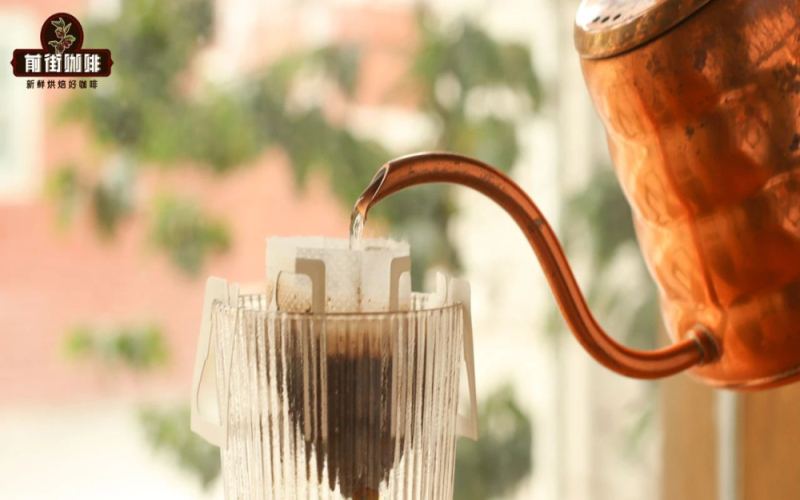
The Complete Guide to Iced Drip Coffee: A Detailed Illustrated Tutorial on Hand-Brewed Iced Coffee and Cold Brew Coffee
For busy office workers, drip bag coffee is an ideal choice that balances convenience and quality. This article will show you step by step how to use drip bags to make two refreshing summer drinks—iced pour-over coffee and cold brew coffee. From bean selection tips to brewing steps, Front Street Coffee provides you with detailed guidance: if you like floral notes, try Yirgacheffe; if you prefer fruity flavors, choose Huakui; and if you want to experience flavors from multiple countries at once, there is the classic five-origin combination. With just simple equipment and a few steps, you can easily enjoy a cup of icy, rich coffee at the office or at home. [more…]
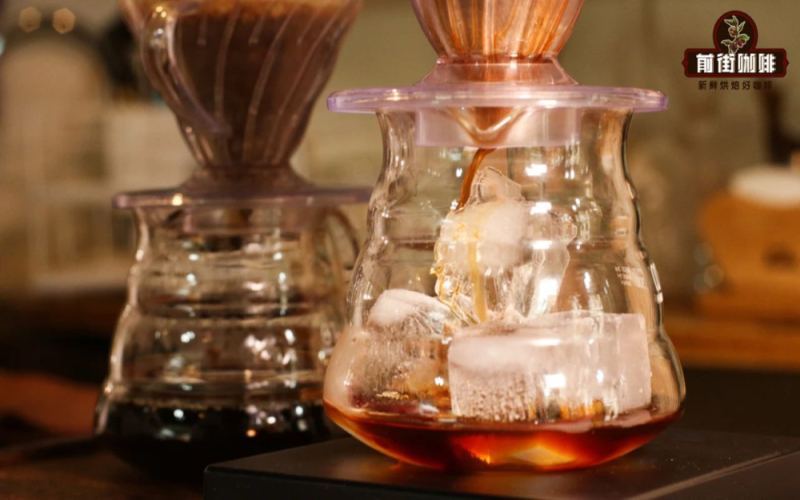
Comparison of Ice Addition Timing for Iced Hand-Brewed Coffee: An Analysis of Front Street's Japanese-Style Iced Hand-Brew Parameters and Sensory Differences
Should ice be added before or after brewing when making iced pour-over coffee? This question puzzles many coffee lovers. Front Street Coffee conducted a controlled experiment using 15 grams of Kaffa Forest coffee beans, a 1:10 coffee-to-water ratio, a water temperature of 90-91°C, and a grind setting of 9 on an EK43s grinder, testing two brewing sequences: ice added first and ice added last. The experiment found that after thorough shaking, the two methods performed quite similarly overall, but the coffee with ice added first tasted cleaner and more refreshing, while the one with ice added last had a more concentrated and intense aroma. The root of the difference lies in how much ice melts. This article will present the complete experimental parameters, step-by-step procedure, and sensory comparison results to help readers understand how the timing of ice addition affects the flavor of iced pour-over coffee. [more…]

Is It Feasible to Use Dry Ice Instead of Ice Cubes for Iced Pour-Over? A Comprehensive Analysis of Cooling Methods for Pour-Over Coffee
Iced pour-over coffee needs rapid cooling, but ordinary ice cubes melt and dilute the coffee's strength. Some friends suggested using non-melting stainless steel ice cubes, but that attempt failed; then someone else recommended dry ice, which cools quickly and doesn't cause dilution. Dry ice can indeed chill coffee rapidly without turning into water, but when it sublimates it releases carbon dioxide, which dissolves into the coffee and turns a cup of iced pour-over into carbonated coffee—essentially deviating from what's wanted. This article provides a detailed analysis of dry ice's physical properties, its everyday uses, and why it's unsuitable for making pour-over coffee, along with Front Street Coffee's key points from their dry ice experiments and a recommended bean list. [more…]

Why Does Coffee Shop Ice Melt More Slowly? A Complete Guide to Hand-Brewed Ice—from Ice Machines to Choosing the Right Ice Type
When drinking iced Americano, have you ever noticed that the ice cubes at coffee shops always seem to melt more slowly than the ones at home? From equipment differences to ice cube shape, and even the actual amount used, every detail affects the taste and staying power of cold coffee. Starting from the role of ice cubes, this article analyzes the differences between commercial ice machines and household refrigerators, explains why coffee shops tend to use smaller, more uniformly shaped ice cubes, and also shares the reasons Front Street Coffee insists on using refrigerator ice along with actual comparison tests. If you want your iced pour-over to cool down properly without being overly diluted, the answer you're looking for may be here. [more…]
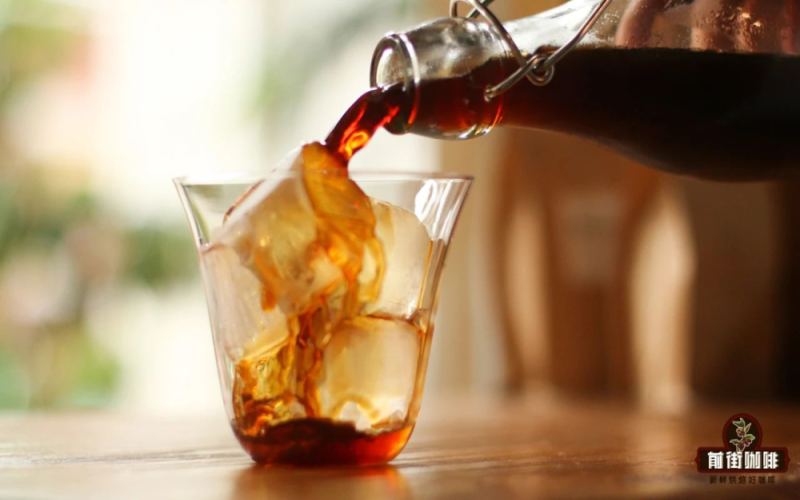
Ice Hand-Brewed Coffee: When to Add Ice? Before or After? And What Difference Does Passing Through Ice Make?
Although autumn has arrived, the summer heat lingers, and iced pour-over coffee remains a favorite for many enthusiasts. But should the ice be added before brewing or after? And once brewing is complete, should the unmelted ice be filtered out? These details directly affect the strength and flavor profile of the final cup. This article will start with bean selection, then use Front Street Coffee's brewing examples to analyze how adding ice at different stages affects the coffee's taste, and discuss the pros and cons of ice filtering, helping you consistently make a cup of iced pour-over that is both refreshing and rich, whether at home or in a café. [more…]
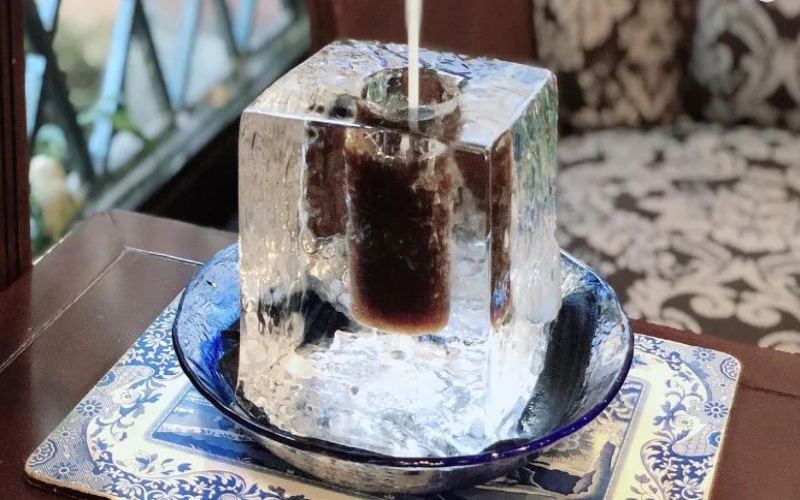
The Complete Guide to Summer Iced Coffee: Three Cost-Effective Bean Recommendations and Detailed Instructions for Pour-Over, Drip Bags, and Cold Brew
In the hot summer season, a glass of iced coffee is undoubtedly a great way to cool down. This article compiles three iced coffee methods that can be easily made at home or in the office—hand-brewed iced coffee, drip bag iced coffee, and cold brew iced coffee—and recommends three coffee beans that balance freshness and body with excellent value for iced drinks: Ethiopia Natural Red Cherry, Panama Elida Estate Natural Typica, and Colombia Finca La Divisa Sidra. The article explains in detail the coffee-to-water ratio, water temperature, grind size, and brewing steps. Front Street Coffee also provides specific operating parameters to help you consistently make iced coffee with rich layers and a smooth mouthfeel in the scorching summer. [more…]

Sidamo Flower Queen Coffee Beans: A Complete Guide from Origin Terroir to Hand-Brewed Iced Coffee
Luckin Coffee's recent re-release of the Sidamo Huakui SOE has once again ignited the coffee community's enthusiasm for Ethiopian origins. What exactly is the charm of Huakui coffee beans? They come from the Buku Albe processing station in the Hambela sub-region of the Guji zone in the Sidamo administrative region, and rose to fame by winning the solar-dried group championship at the 2017 TOH competition. This article will systematically sort out the flavor differences between the two origins of Sidamo and Yirgacheffe, trace the rise to fame and processing techniques of Huakui, and break down in detail two brewing methods: hot pour-over and iced pour-over. Whether you want to learn about origin knowledge or replicate a cup of fruity Huakui iced coffee at home, you can find practical references here. [more…]

An In-Depth Review of Panama Geisha Coffee: From Award-Winning Estate Beans to a Complete Guide to Hand-Brewed Iced Coffee
Geisha, a variety that overturned coffee judges' perceptions with its delicate floral aroma and fruity acidity, has profoundly influenced the direction of specialty coffee development over the past eighteen years. It originated from the Kaffa forests of the Gesha region in Ethiopia, then traveled through Kenya, Uganda, Tanzania, and Costa Rica, ultimately taking root and flourishing in Panama. This article will guide you through the varietal characteristics and historical trajectory of Geisha, and using Front Street Coffee's Panama Boquete Washed Geisha as an example, share in detail the entire process from roasting philosophy to iced pour-over practice, including specific parameters such as grind size, water temperature, and pouring technique, helping you better appreciate this bean's floral aroma, fruity acidity, and tea-like sweet aftertaste. [more…]

Can dark roast coffee beans be used to make hand-brewed iced coffee? A detailed explanation of water temperature, ratio, and pouring technique to say goodbye to bitterness and blandness.
The long, scorching summer makes iced coffee the go-to choice for everyday relief. Many coffee enthusiasts, after getting used to light-roast iced coffee, want a change of pace and try dark-roast iced pour-over, only to often end up disappointed—the flavor is weak, the body is thin and watery, and it can even be bitter and hard to swallow. Where exactly does the problem lie? This article, drawing on Front Street's brewing experience, analyzes the root causes of why dark-roast iced pour-over easily fails, and provides a complete solution covering bean selection, parameters, and pouring technique. The core idea is to extend the extraction time through multiple pouring stages, improve dissolution efficiency, and at the same time avoid the bitterness caused by over-extraction. The article also shares the specific brewing parameters for Front Street PWN Golden Mandheling, including a coffee-to-water-to-ice ratio of 1:10:6, a water temperature of 86–89°C, and a five-stage pouring method, helping you brew a cup of dark-roast iced coffee at home that is rich without being bitter and stands out for its sweetness. [more…]

A Guide to Buying Hand-Brewed Coffee Beans: Balancing Budget and Drinking Frequency
Hand-brewed coffee beans are best approached by gradually building your judgment from taste experience. When buying beans for daily use, you need to consider how quickly you'll drink them, how much to buy at a time, and whether you mainly make black coffee or milk coffee at home. The flavor words on the packaging can offer clues, but they cannot replace the actual drinking experience—whether the acidity is mellow, whether the sweetness lingers, and whether the mouthfeel is smooth. [more…]
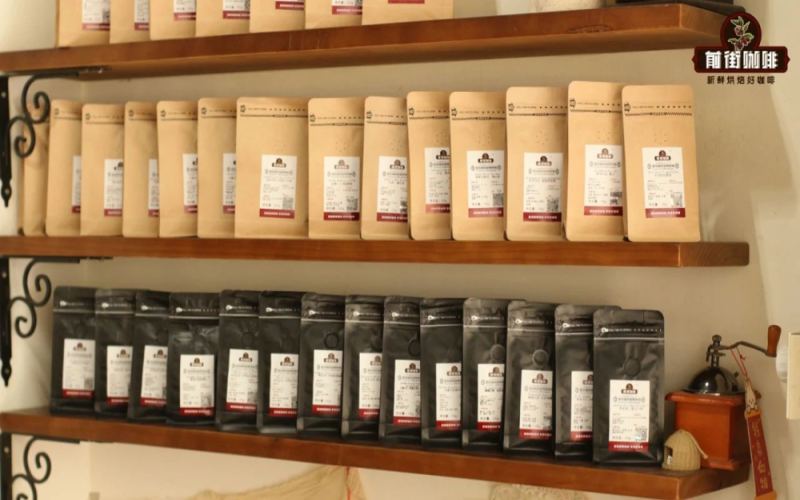
Key Points for Selecting Hand-Brewed Coffee Beans and the 2025 Top 10 Highly Acclaimed Single-Origin Bean List
Many coffee enthusiasts often ask: what characteristics should hand-brewed coffee beans have? Which beans are best suited for pour-over? In fact, flavor preferences vary from person to person. There is no fixed list of specialty beans, nor is there a "best choice" that suits everyone. However, as the buyer base grows, some standout coffee beans naturally rise to the top, gradually forming a list with reference value. This article focuses on the pour-over brewing scenario and counts down the top ten highly regarded single-origin beans with the highest ratings, covering classic producing regions such as Colombia, Ethiopia, Kenya, Brazil, Indonesia, Rwanda, and Panama, while retaining specific product information from the Front Street Coffee brand, to provide you with a practical reference for your purchasing decisions. [more…]

Easy Iced Coffee Recipe | Can Cold Brew Coffee Be Made with Drip Coffee Bags? What to Watch Out for When Making Hand-Pour Iced Coffee with Drip Coffee Bags?
For more specialty coffee knowledge, please follow: Front Street Coffee (Frontsteet Coffee) Scorching summer days, summer days scorching. For coffee lovers, the ritual sense of midsummer often originates from a refreshing cup of iced coffee, so recently Front Street has been sharing various iced coffee recipes, even [more…]

Drip Bag Coffee Can Also Make Iced Drinks: A Detailed Guide to Simple Home Brewing Parameters for Hand-Poured Iced Coffee and Cold Brew Coffee
On a scorching summer day, a glass of iced coffee always brings a refreshing, invigorating coolness. But for coffee lovers without professional equipment, is it still possible to easily make delicious iced coffee? The answer is yes. This article will use the most convenient drip bag coffee as a starting point to explain in detail two home methods for making iced coffee—iced pour-over coffee and cold brew coffee. From bean selection and parameter adjustment to specific operating steps, Front Street will break down the key points one by one, including core parameters such as water temperature, coffee-to-water-to-ice ratio, and grind size, as well as how to compensate for the limitation that drip bag coffee cannot adjust grind size by changing the brewing strategy. Whether you want to quickly get a refreshing glass of iced pour-over or are willing to spend time waiting for a pot of rich cold brew, you can find practical operating guidance in this article. [more…]
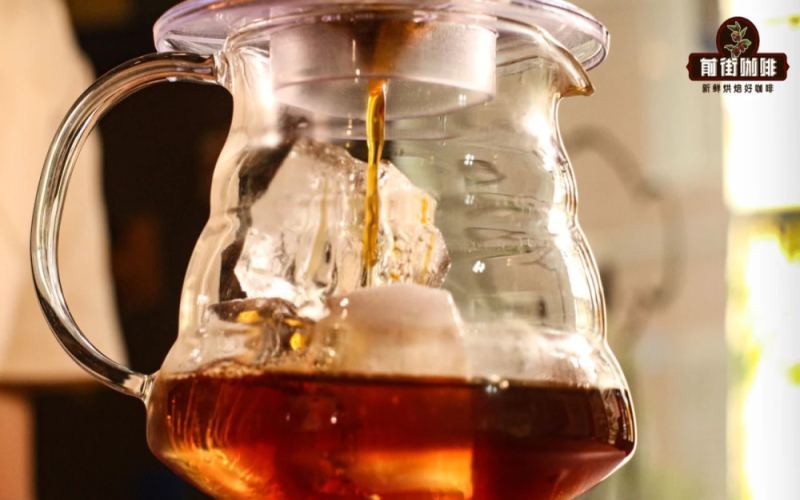
A Complete Guide to Making Summer Iced Coffee: Three Methods—Pour-Over, Drip Bag, and Cold Brew—Plus Must-Have Coffee Bean Recommendations
On a scorching summer day, a glass of iced coffee is undoubtedly the best way to cool down. This article compiles three iced coffee brewing methods that coffee lovers can easily do at home or in the office—hand-brewed iced coffee, drip bag iced coffee, and cold brew iced coffee—and explains in detail their respective ratios, water temperatures, and step-by-step instructions. It also recommends three coffee beans suitable for making iced drinks: Ethiopia Natural Red Cherry, Panama Elida Estate Natural Typica, and Colombia Finca La Divisa Sidra. These beans deliver a bright acidity while maintaining a soft, full-bodied complexity at low temperatures. In addition, the article specifically shares Front Street Coffee's buying advice for drip bag coffee and recommendations for cold brew beans, helping you quickly find your preferred flavor during the hot season. [more…]
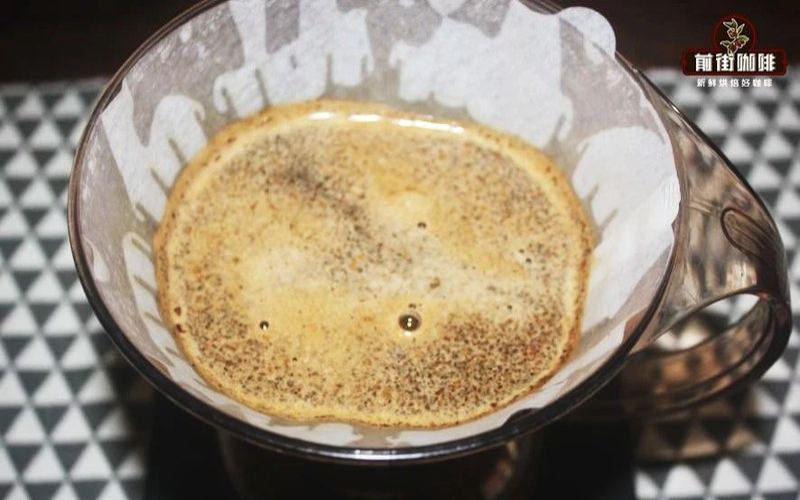
Pour-Over Single-Origin Coffee Recommendations: Balancing Budget and Drinking Frequency
From bean to cup, a coffee must still go through grinding and extraction. When it comes to hand-brewed single-origin coffee, your everyday bean buying needs to take into account how quickly you'll drink it, how much to buy at a time, and whether you mainly make black coffee or milk coffee at home. First confirm your usual equipment and preferred taste, then compare specific beans—your actual practice will have clearer direction. [more…]

What Kind of Pour-Over Coffee Beans Should Beginners Buy: Balancing Budget and Drinking Frequency
For beginners buying hand-brewed coffee beans, it's suitable to build judgment gradually from taste experience. When buying beans for daily use, you need to consider how quickly you'll drink them, how much to buy at once, and whether you mainly make black coffee or milk coffee at home. Flavor words on the packaging can provide clues, but they cannot replace the actual drinking experience—whether the acidity is mellow and whether the sweetness lingers. [more…]

How to Choose Hand-Brewed Coffee Beans by Roast Level
The roast level of hand-brewed coffee beans determines where the flavors in the cup unfold. Light roasts make floral and fruity notes easier to perceive, medium roasts connect sweetness, acidity, and body, while dark roasts bring cocoa, nut, and roasted aromas. For ordinary consumers, choosing according to the flavors they like and how they usually drink coffee matters more than looking only at [more…]

Analysis of Hot vs. Cold Flavor Differences in Pour-Over Coffee: Which Coffee Beans Are Better for Iced Pour-Over?
Front Street's store bean list is extensive, and many customers face a dilemma after choosing their coffee beans: should they make a hot pour-over or an iced pour-over? What exactly is the difference in flavor between the two? This article starts from Front Street's actual brewing parameters, analyzes the construction logic of iced pour-over, and conducts a hot-versus-cold comparison using four representative coffee beans—Ethiopia TOH Uraga, Papua New Guinea Bird of Paradise, Indonesia Golden Mandheling, and Colombia Flower Moon Night—evaluating them across three dimensions: aroma, flavor, and mouthfeel. The results show that hot pour-over generally has the advantage in aroma richness and layering, while iced pour-over is more popular in summer thanks to its cold-drink appeal. The article also points out that light-roast and anaerobic-process coffee beans are more suitable for making iced pour-over, while medium-dark roast beans are not very suitable. [more…]

SOE Can Also Be Hand-Brewed: Look at Roast Depth This Way
SOE usually refers to single-origin espresso, emphasizing that the coffee beans come from the same region, estate, or lot, but it does not mean the coffee can only be extracted with an espresso machine. As long as the beans are fresh and the roast level is suitable, SOE can absolutely go into a dripper and reveal its aroma through pour-over. What really needs to be judged is whether, at light roast, medium roast, [more…]